|
Research Article
An overview of cesarean sections in primigravid women at the Queen Elizabeth Hospital from 2022 to 2024
1 MBBS, Senior House Officer, Department of Obstetrics and Gynecology, Queen Elizabeth Hospital, St. Michael, Barbados
2 MBBS, MRCOG, FACOG, Consultant Obstetrician and Gynecologist, Maternal and Fetal Medicine Specialist, Department of Obstetrics and Gynecology, Queen Elizabeth Hospital, St. Michael, Barbados
Address correspondence to:
Keturah Murray
Queen Elizabeth Hospital, Martindales Road, St. Michael,
Barbados
Message to Corresponding Author
Article ID: 100045G06KM2026
Access full text article on other devices

Access PDF of article on other devices


How to cite this article
Murray K, Harewood K, Toppin K, Holder T, Robinson NT. An overview of cesarean sections in primigravid women at the Queen Elizabeth Hospital from 2022 to 2024. Edorium J Gynecol Obstet 2026;11(2):1–7.ABSTRACT
Aims: This retrospective cohort study evaluated cesarean section (CS) rates and indications among primigravid women at the Queen Elizabeth Hospital (QEH) between August 2022 and August 2024. Singleton pregnancies beyond 28 weeks’ gestation were included. Of 1273 primigravid patients, 348 underwent CS, giving a rate of 27.3%. The leading indications were fetal distress (32.6%), failed induction or augmentation of labor (21.3%), and eclampsia/preeclampsia (7.8%). Most CS procedures were emergencies (90.8%), while 9.2% were elective. Most patients were aged 21–29 years and had full-term pregnancies. Continued audits are recommended to evaluate indications and reduce unnecessary CS deliveries. The aims of this study were to determine the rate and indications for cesarean section (CS) deliveries among primigravid women and to analyze trends in the indications for cesarean sections performed at the QEH.
Methods: A retrospective cohort analysis of primigravida mothers who delivered via CS at the QEH between August 2022 and August 2024. The study population included singleton patients with neonates born at a gestation of greater than 28 weeks. All patient data was anonymized.
Results: There were a total of 1273 primigravid patients over the two year study period, of these 348 delivered via CS, a rate of 27.3%. The most common indication for CS was fetal distress (32.6%), followed by failed induction/failed augmentation of labor (21.3%), and eclampsia/preeclampsia (7.8%). The majority of CS were emergency (90.8%), the remaining 9.2% elective. There was a very high number of patients who booked their pregnancy (99%). Most patients were in the 21–29-year age category (49.1%) and had full-term pregnancies (44.3%).
Conclusion: In our institution, CS rates in primigravida women are high. Further audits should be undertaken to continuously evaluate the indications for CS with an overall aim to reduce the rates.
Keywords: Caribbean, Cesarean section, Primigravida, Trends
INTRODUCTION
In a 2015 statement, the World Health Organization (WHO) projected an increase in cesarean section (CS) rates globally in both developed and developing countries [1]. Angolile et al. echoed this projection in their 2023 study reporting that the global CS rate has almost tripled from 7% in 1990 to 21% in 2023—significantly surpassing the projected rate of 10–15% [2]. According to the United Nations Children’s Fund (UNICEF), the CS rate in Barbados is 21% [3]. Current data suggest a strong association with the rapidly increasing rate of cesarean births on maternal request. This can be appreciated regionally in the neighboring island of Dominican Republic (DR). Dominican Republic is recognized globally as one of the five (5) countries where CS births exceed spontaneous vaginal deliveries (SVD). There, CS rates are as high as 4 in 10 of all births [4]. This trend becomes especially significant in developing countries because of the resulting burden on healthcare expenditure and feto-maternal health. Few studies have focused on cesarean delivery (CD) trends among primigravid patients. With this context, we wished to observe whether these trends are present in Barbados’ developing population. The objectives of this study were to determine the rate and indications of CS deliveries in the primigravid population and to determine causative factors based on the data trends for CS performed at QEH.
MATERIALS AND METHODS
This was a retrospective cohort study which analyzed data of primigravid mothers who gave birth at the QEH, Barbados between August 2022 and August 2024. The QEH is the island’s only public tertiary care center. The research was conducted through the Department of Obstetrics and Gynaecology. For our analysis, the necessary data were collected from the QEH Labour Ward data books and tabulated. Only patients with singleton pregnancies who delivered after the age of viability (28 weeks gestation) were included. All patient data were anonymized and entered using Microsoft Excel for Microsoft 365 Microsoft Office (Version 2501). A total of 348 patients were included.
RESULTS
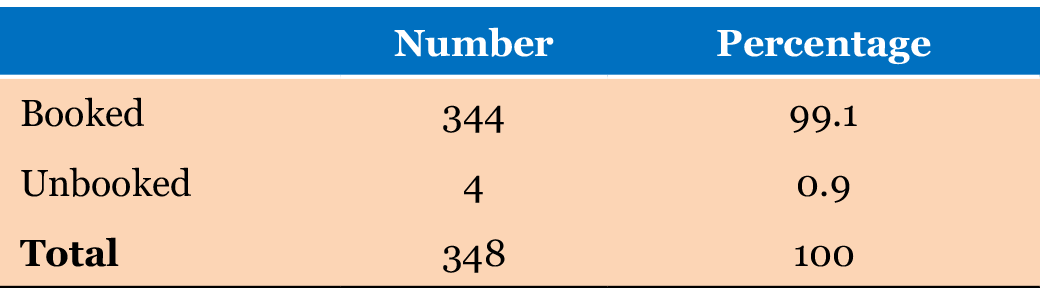
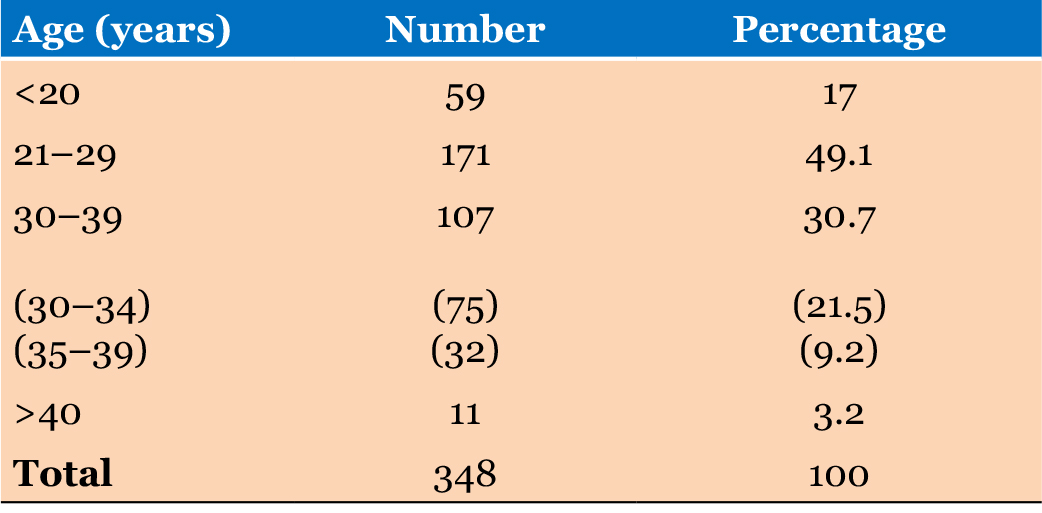
During the two-year study period, there were a total of 348 primigravid women who delivered via CS. The mean age of the study participants was 27.3 ± 6.5 years, ranging from 15 to 49 years. The majority of participants (49.1%) were within the 21–29-year age group, 17% were aged less than 20 years, 30.7% were aged 30–39 years, and 3.2% were aged over 40 years (Table 1). A total of 43 participants (12.4%) were advanced maternal age (35 years or older at the time of pregnancy). Of the 348 participants, 347 (99.1%) booked their pregnancies (Table 2).
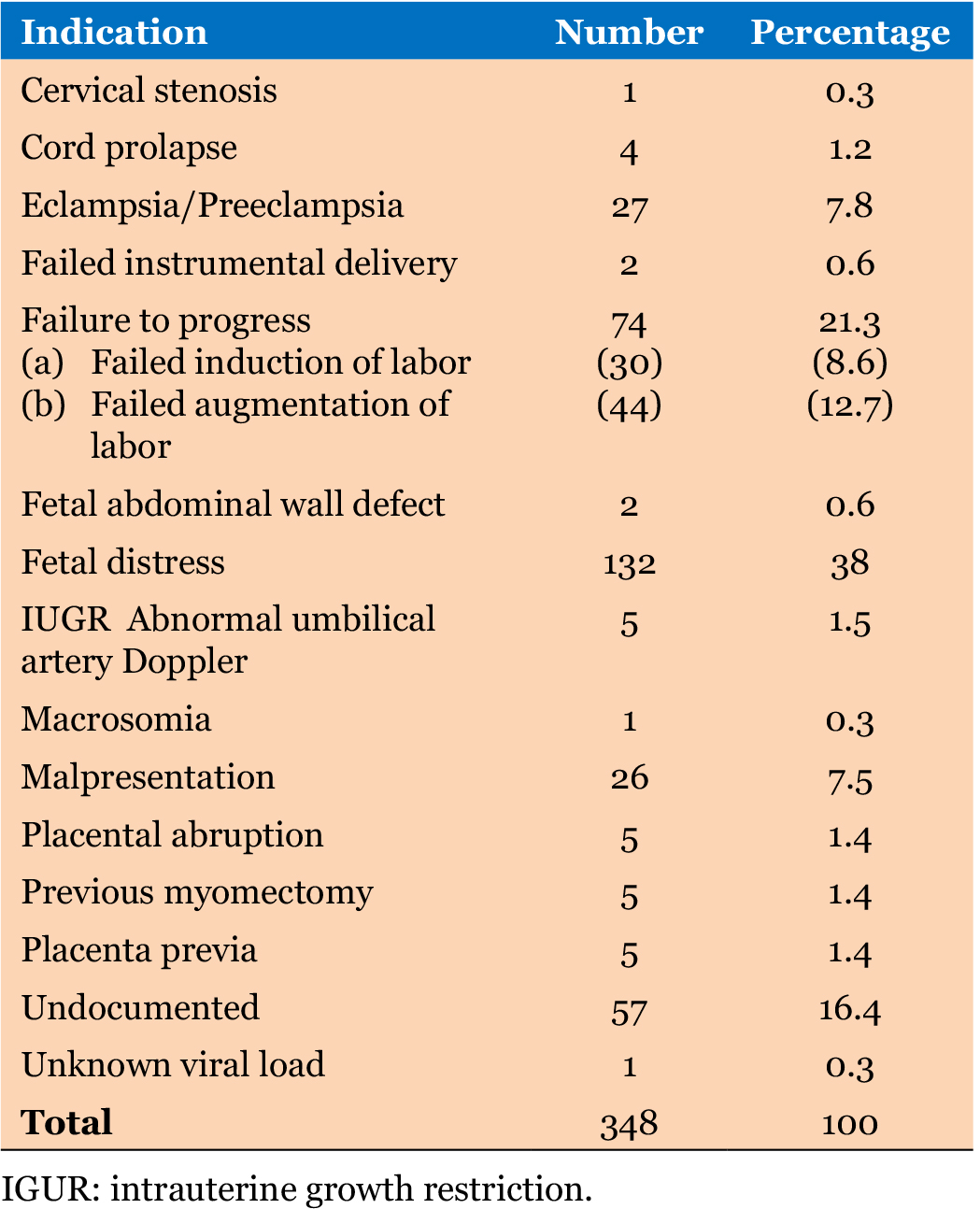
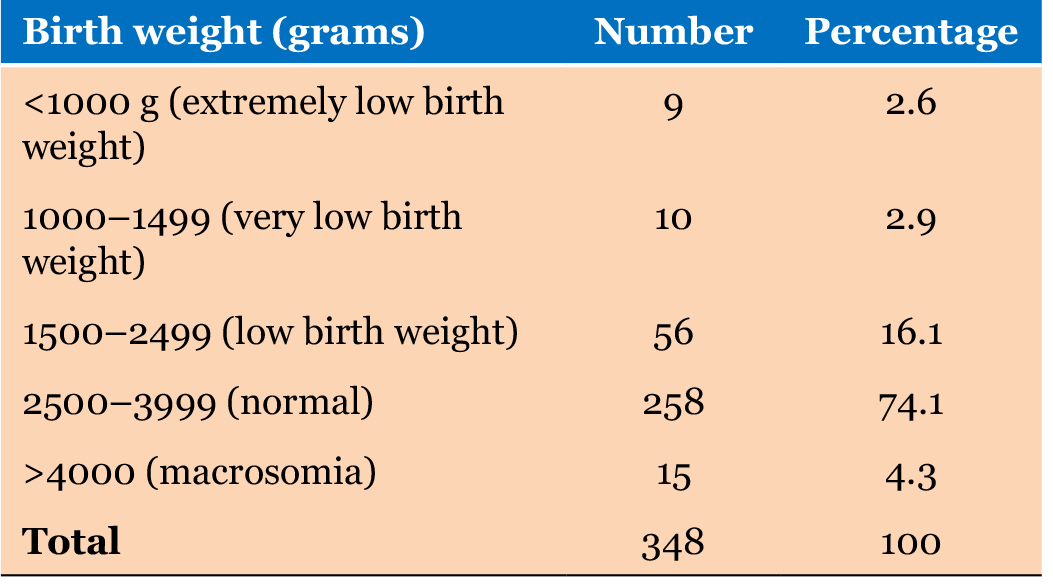
The most common indication for CS was fetal distress (32.6%), followed by failed induction/failed augmentation of labor (21.3%) and eclampsia/preeclampsia (7.8%). Unfortunately, the data for indication were not available for 16.3% of patients. Other indications included malpresentation (7.5%)—predominantly breech presentation, fetal tachycardia (1.4%) or bradycardia (4%) (Table 3). Ten babies (6.9%) were born on the extremes of the birth weight spectrum, (2.6%) extremely low birth weight, and (4.3%) macrosomic. The overwhelming majority of babies were normal birth weight (74%) (Table 4).
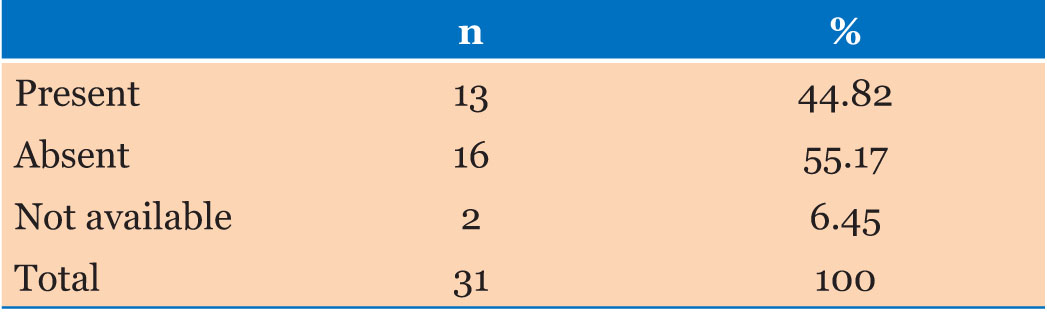
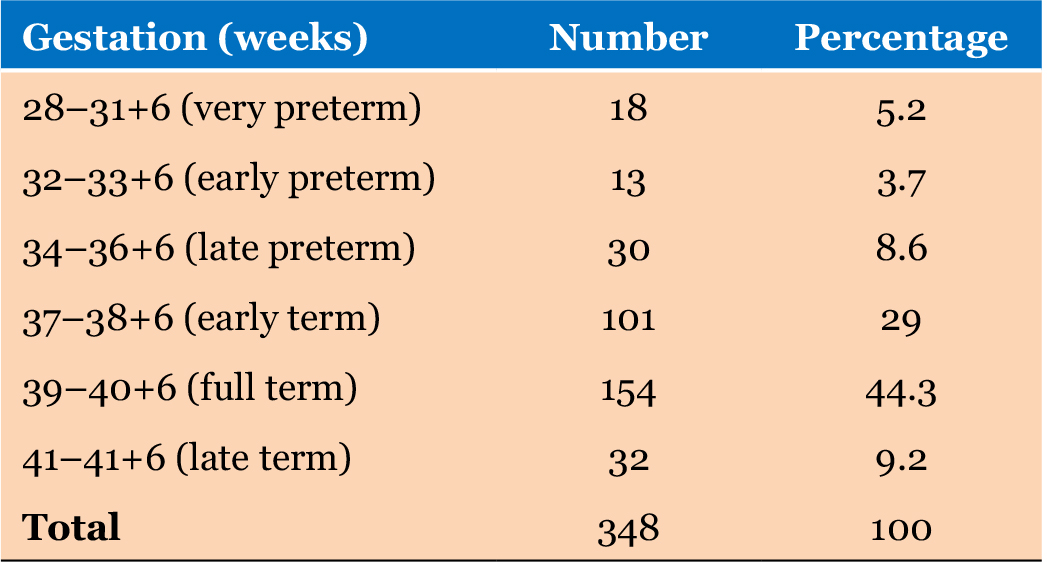
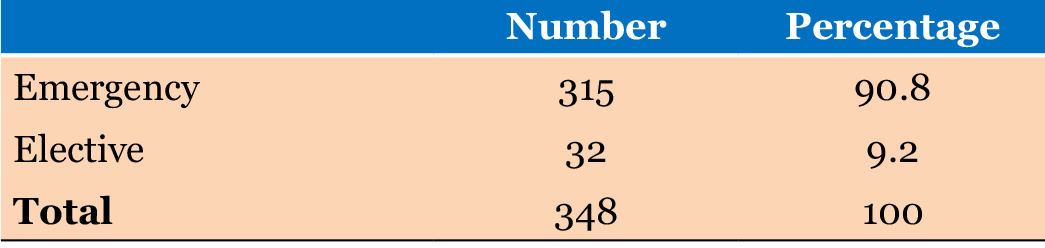
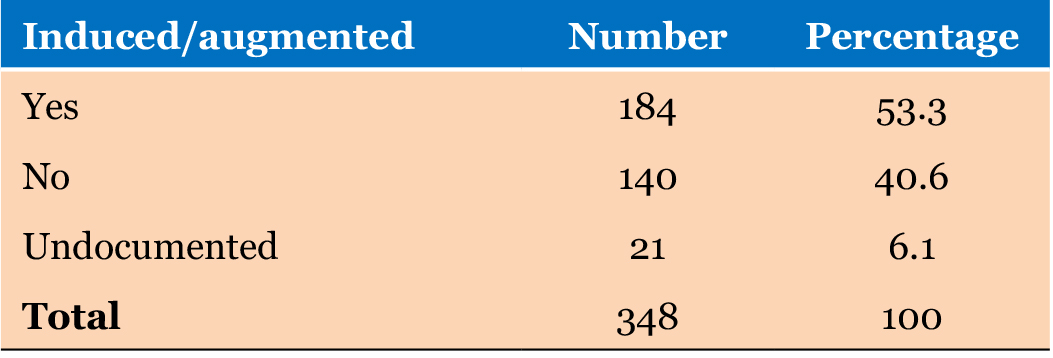
Term pregnancies accounted for the majority of births; 44.3% full term, 29% early term, and 9.2% late term while the total number of preterm deliveries was 61 (17.5%) (Table 5). There were only 32 elective CS (9.2%), with the remaining majority (315 CS) being emergencies (90.8%) (Table 6). The proportion of patients who underwent induction or augmentation of labor (53.3%) was higher when compared to those who did not (40.6%), although data were missing for 21 participants (6.1%) (Table 7).
DISCUSSION
This study aimed to assess the prevalence and associated risk factors of CS deliveries among primigravidae who delivered at the QEH, the only public tertiary care center, in the island of Barbados, between the years 2022 and 2024.
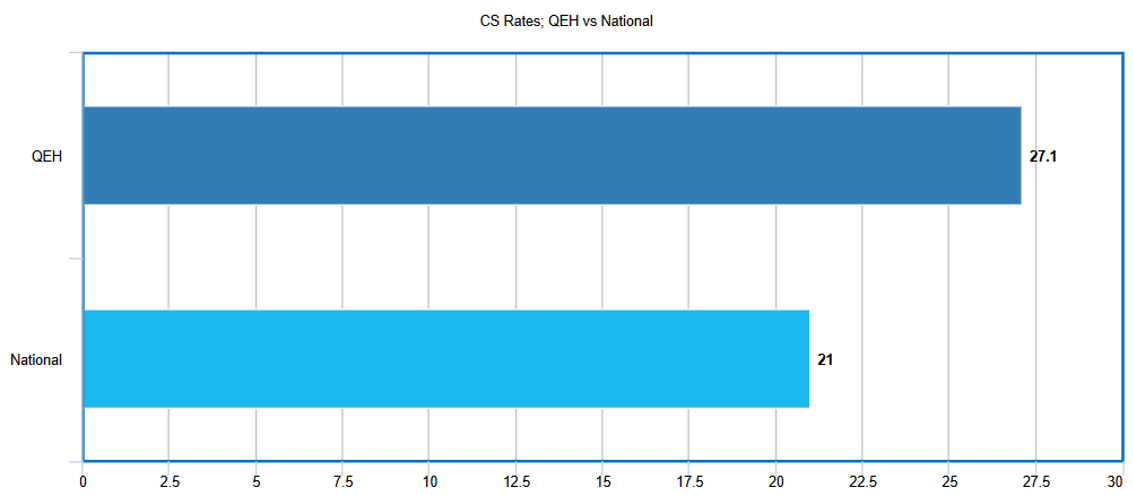
Cesarean section deliveries are one of the most performed surgical procedures globally. It is associated with high morbidity and mortality as compared to vaginal delivery [5]. Compared with multiparous patients, primigravid mothers have a higher likelihood of cesarean delivery, with one study reporting rates to be 2.82 times greater [6]. However this was not in keeping with the results of our study. Over the two (2) year time period of this study, August 2022 to August 2024, there were a total of 4010 deliveries at the QEH. Of these, 1273 were primigravid patients. The percentage of CS delivery performed in primigravid patients was 27.3%, which was comparable to the rate in multiparous patients, approximately 27%, overall a combined average of 27.1% (Figure 1). These rates are still well above the 10% target set by the World Health Organization [7].
Our study highlighted varying indications for CS deliveries. Consistent with two (2) studies emerging from a country with a similar demographic population, non-reassuring fetal status was the most common indication for CS deliveries [8],[9]. Some authors debate that the introduction of non-stress testing in obstetrics has led to a rise in the number of CS deliveries performed [10]. Continuous electronic fetal monitoring was introduced to enable the early identification of fetal asphyxia with the hope of preventing death or long-term neurological morbidity; however, it is now seen as an important driver of the rising rate of CS deliveries [11]. The use of fetal scalp electrode monitoring should also be considered as an adjunct to routine fetal surveillance. When combined with electronic fetal monitoring, this complementary diagnostic tool may provide more accurate assessment of fetal well-being and support clinical decision-making regarding the need for cesarean section.
In low- and middle-income countries, instrumental vaginal delivery is becoming less utilized while CS delivery is becoming an increasingly common mode of delivery [12]. In our study, only two participants (0.6%) underwent CS delivery due to failed operative delivery. This warrants further discourse on whether operative vaginal delivery is being appropriately offered to eligible patients.
Failed induction of labor (IOL) is the inability to achieve active labor despite adequate attempts with induction methods such as oxytocin and/or amniotomy within a defined time frame [13]. This contributes to high cesarean section rates, posing risks to both maternal and neonatal health [13]. Based on our data, failed IOL accounted for 8.6% of CS deliveries. A retrospective cross-sectional study by Lonseko et al. found a similar prevalence of 21.2%, with a 95% confidence interval (CI) of 17–25%. Furthermore, their work highlighted that age over 30 years [adjusted odds ratio (AOR) = 6.78, 95% CI: 3.13–14.70], being a primigravida [AOR = 6.68, 95% CI: 3.10–14.40], a low Bishop score [AOR = 3.90, 95% CI: 1.62–9.39], and premature rupture of membranes [AOR = 3.27, 95% CI: 1.42–7.54] were associated with failed IOL. Some authors suggest limiting the use of IOL, by avoiding elective inductions, recognizing the association of CS delivery with cervical status and the importance of allowing the induction sufficient time to progress may result in lower CS rates [10]. A higher rate of labor induction among primigravidas may be attributed to the increased frequency of pregnancy-related complications and indications for induction in this group. Primigravid women have a higher risk of conditions such as post-term pregnancy, hypertensive disorders, and suspected fetal compromise, which may necessitate induction of labor. The majority of failed labor inductions occurred in the 21–29-year age group. However, this finding likely reflects the larger proportion of primigravid women within this age category in the study population rather than an age-specific increased risk for induction. It is known however that women of advanced maternal age may have additional age related obstetric risks. Although induction of labor is not always avoidable, we recommend rigorous evaluation of clinical indications is crucial to ensure judicious use, enhance the likelihood of successful vaginal birth, and reduce unnecessary cesarean section rates. Furthermore, evaluation of the methods used for cervical ripening—such as mechanical techniques (e.g., Foley catheter) compared with pharmacological agents (e.g., prostaglandins)—may be warranted to optimize induction outcome.
From our study, the majority of CS deliveries were performed as emergency procedures (90.8%). This is in keeping with rates of 89.3% found by Ashiko et al. [6]. Of the approximately 10% of the elective CS, the predominant indication was malpresentation (breech), accounting for 7.5%, other indications included previous myomectomy and placenta previa. These findings highlight the need to evaluate whether management of term breech presentations is being optimized, particularly regarding the use of external cephalic version. With a reported mean success rate of approximately 60%, this intervention is both cost-effective and has the potential to significantly reduce cesarean delivery rates. The Canadian Term Breech Trial, a large multicenter randomized controlled study done in 2000, showed that perinatal mortality, neonatal mortality, or serious neonatal morbidity was significantly lower for patients who underwent planned CS delivery when compared to planned vaginal birth [14]. This monumental study likely contributed to a shift in clinical practice, resulting in higher rates on the global scale.
Poma noted that both low-birth-weight and high-birth-weight neonates have comparable CS rates, which exceed those seen in infants weighing 2501–4000 g [15]. In our study, however, most neonates (74.1%) were born within the normal weight category (2500–4000 g), 4.3% being macrosomic and the remainder low birth weight (21%). Full-term pregnancies, 39–40+6 weeks, represented the majority of participants in this study. Studies have not yet demonstrated a clear correlation between gestational age at delivery and CS rates.
Taye et al. found that mothers between the ages of 35–39 were 5.3 times more likely to undergo CS than those with age groups of 20–24 [7]. In this cohort, it was observed that CS rates were highest in the 21 to 29 age group (49.1%) followed by the 30–39 age groups (30.7%).
Our study reported very high rates of antenatal booking (99.1%). The National Institute for Health and Care Excellence (NICE) recommends that the first booking appointment takes place by 10+0 weeks of pregnancy [16]. Limitations to early antenatal care include low educational status of the woman or her partner, high community level poverty and low literacy rates [17].
This study provides locally relevant data by examining CS rates specifically among primigravid women at the QEH, a population for which limited regional data exist. By restricting the cohort to primigravidas, the study minimizes confounding from previous obstetric history, allowing for clearer interpretation of risk factors and outcomes.
A limitation of this study was the lack of clear and consistent documentation of the indications for CS, which restricted the ability to accurately classify or compare clinical decision-making across cases. This may have limited deeper analysis of whether specific indications were appropriately applied or varied between providers.
CONCLUSION
The prevalence of cesarean delivery in primigravid patients was found to be high. There is a need to continue to conduct cesarean delivery audits to appropriately utilize scarce resources.
REFERENCES
1.
Angolile CM, Max BL, Mushemba J, Mashauri HL. Global increased cesarean section rates and public health implications: A call to action. Health Sci Rep 2023;6(5):e1274. [CrossRef]
[Pubmed]

2.
WHO statement on caesarean section rates. February 2nd 2015. [Available at: https://iris.who.int/server/api/core/bitstreams/475b39fc-240b-462d-a5e1-429401c98a79/content]
3.
UNICEF. Barbados: C-section rate – percentage of deliveries by cesarean section. UNICEF Data. New York: United Nations Children’s Fund; 2025.
4.
Caesarean section rates continue to rise, amid growing inequalities in access. June 16th 2021. [Available at: https://www.who.int/news/item/16-06-2021-caesarean-section-rates-continue-to-rise-amid-growing-inequalities-in-access]
5.
Darnal N, Dangal G. Maternal and fetal outcome in emergency versus elective caesarean section. J Nepal Health Res Counc 2020;18(2):186–9. [CrossRef]
[Pubmed]
6.
Ashiko A, Tilahun C, Geta T, Abraham A, Kassaye G. Factors associated with primary cesarean section delivery among women who gave birth at Wolaita Sodo University comprehensive specialized hospital, Southern Ethiopia. Sci Rep 2025;15(1):37314. [CrossRef]
[Pubmed]
7.
Taye MG, Nega F, Belay MH, Kibret S, Fentie Y, Addis WD, et al. Prevalence and factors associated with caesarean section in a comprehensive specialized hospital of Ethiopia: A cross-sectional study; 2020. Ann Med Surg (Lond) 2021;67:102520. [CrossRef]
[Pubmed]
8.
Alemu AA, Zeleke LB. Magnitude and determinants of primary cesarean section among women who gave birth in shire, Northern Ethiopia. Open Access Surg 2020;13:53–9.
9.
Wondie AG, Zeleke AA, Yenus H, Tessema GA. Cesarean delivery among women who gave birth in Dessie town hospitals, Northeast Ethiopia. PLoS One 2019;14(5):e0216344. [CrossRef]
[Pubmed]
10.
Mahadik K. Rising cesarean rates: Are primary sections overused? J Obstet Gynaecol India 2019;69(6):483–9. [CrossRef]
[Pubmed]
11.
Nelson KB, Sartwelle TP, Rouse DJ. Electronic fetal monitoring, cerebral palsy, and caesarean section: Assumptions versus evidence. BMJ 2016;355:i6405. [CrossRef]
[Pubmed]
12.
Harrison MS, Saleem S, Ali S, Pasha O, Chomba E, Carlo WA, et al. A prospective, population-based study of trends in operative vaginal delivery compared to cesarean delivery rates in low- and middle-income countries, 2010–2016. Am J Perinatol 2019;36(7):730–6. [CrossRef]
[Pubmed]
13.
Lonsako AA, Tilahun T, Wolde M, Laelago T, Kasse T, Anulo A, et al. Failed induction of labor and associated factors among women receiving induction at public hospitals of Kembata zone in central Ethiopia. BMC Pregnancy Childbirth 2025;25(1):1059. [CrossRef]
[Pubmed]
14.
Hannah ME, Hannah WJ, Hewson SA, Hodnett ED, Saigal S, Willan AR. Planned caesarean section versus planned vaginal birth for breech presentation at term: A randomised multicentre trial. Term Breech Trial Collaborative Group. Lancet 2000;356(9239):1375–83. [CrossRef]
[Pubmed]
15.
Poma PA. Correlation of birth weights with cesarean rates. Int J Gynaecol Obstet 1999;65(2):117–23. [CrossRef]
[Pubmed]
16.
Recommendations | Antenatal care | Guidance | NICE [Internet]. NICE; 2021 [cited 2025 Nov 28]. [Available at: https://www.nice.org.uk/guidance/ng201/chapter/Recommendations]
17.
Endawkie A, Kebede SD, Abera KM, Abeje ET, Enyew EB, Daba C, et al. Time to antenatal care booking and its predictors among pregnant women in East Africa: A Weibull gamma shared frailty model using a recent demographic and health survey. Front Glob Womens Health 2024;5:1457350. [CrossRef]
[Pubmed]
SUPPORTING INFORMATION
Author Contributions
Keturah Murray - Conception of the work, Design of the work, Acquisition of data, Analysis of data, Drafting the work, Revising the work critically for important intellectual content, Final approval of the version to be published, Agree to be accountable for all aspects of the work in ensuring that questions related to the accuracy or integrity of any part of the work are appropriately investigated and resolved.
Kevin Harewood - Conception of the work, Design of the work, Acquisition of data, Analysis of data, Drafting the work, Revising the work critically for important intellectual content, Final approval of the version to be published, Agree to be accountable for all aspects of the work in ensuring that questions related to the accuracy or integrity of any part of the work are appropriately investigated and resolved.
Krista Toppin - Conception of the work, Design of the work, Acquisition of data, Analysis of data, Drafting the work, Revising the work critically for important intellectual content, Final approval of the version to be published, Agree to be accountable for all aspects of the work in ensuring that questions related to the accuracy or integrity of any part of the work are appropriately investigated and resolved.
Tara Holder - Conception of the work, Design of the work, Acquisition of data, Analysis of data, Drafting the work, Revising the work critically for important intellectual content, Final approval of the version to be published, Agree to be accountable for all aspects of the work in ensuring that questions related to the accuracy or integrity of any part of the work are appropriately investigated and resolved.
NaTisha Robinson - Conception of the work, Design of the work, Acquisition of data, Analysis of data, Drafting the work, Revising the work critically for important intellectual content, Final approval of the version to be published, Agree to be accountable for all aspects of the work in ensuring that questions related to the accuracy or integrity of any part of the work are appropriately investigated and resolved.
Guaranter of SubmissionThe corresponding author is the guarantor of submission.
Source of SupportNone
Consent StatementWritten informed consent was obtained from the patient for publication of this article.
Data AvailabilityAll relevant data are within the paper and its Supporting Information files.
Conflict of InterestAuthors declare no conflict of interest.
Copyright© 2026 Keturah Murray et al. This article is distributed under the terms of Creative Commons Attribution License which permits unrestricted use, distribution and reproduction in any medium provided the original author(s) and original publisher are properly credited. Please see the copyright policy on the journal website for more information.